Who decides your morals?

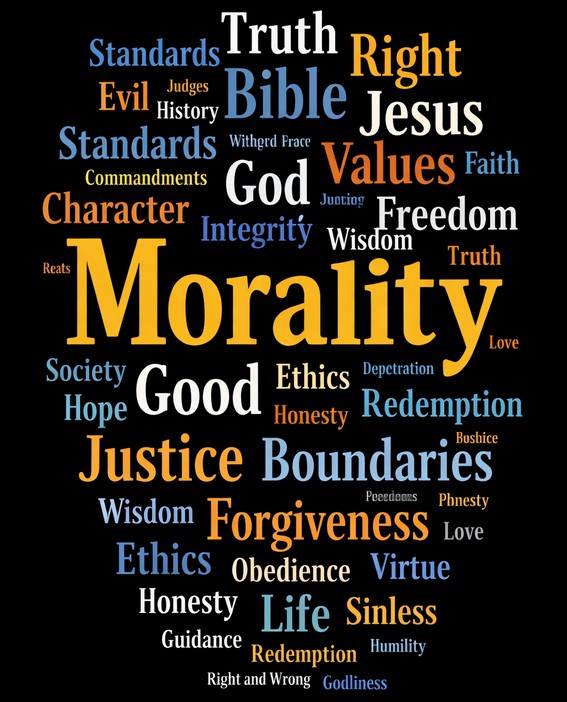
People often argue that everyone should decide for themselves what is right and wrong. History suggests this doesn’t work. When societies define morality without reference to God, standards quickly collapse. The Book of Judges describes this situation with the repeated comment that “everyone did what was right in his own eyes” (Judges 17:6; 21:25). The result was not freedom, but moral confusion, political disorder, and widespread corruption.

The problem is that humans don’t agree on morals and often get things wrong.

Parents, teachers, leaders, governments and media, all have limits because they are shaped by flawed people. The Bible explains this plainly: everyone falls short. Following the crowd or copying respected figures can never provide a reliable moral compass.

Because human judgment is unreliable, the Bible points to a moral standard outside ourselves. It teaches that God’s character is perfect and unchanging, and that He has revealed what is right and wrong through His Word and through Jesus Christ.

Jesus is unique because He lived a completely sinless life and showed what God’s standards look like in practice. His teaching makes it clear that truth and boundaries are not restrictive, but protective. Just as rules promote safety, God’s commands are meant to help life flourish.

Many today claim there is no absolute truth, but that claim contradicts itself. The Bible teaches that real freedom comes from knowing the truth and living by it. Trusting God and following Jesus – doing what is right – brings stability, purpose, and hope, rather than being pushed around by every new idea.

He has shown you, O man, what is good; and what does the LORD require of you but to do justly, to love mercy, and to walk humbly with your God? (Micah 6:8)

January blues?

You’re not alone! It’s a feeling shared by many at this time of the year. Short, cold, dark days, overspending and broken resolutions can all contribute and lead to feelings of low energy, sadness, and a lack of motivation, especially as we return to normal routines. Recognizing these feelings as a normal response to seasonal changes and practicing a bit of self-compassion can help manage this period; most of us will notice an improvement by Feb/Mar as daylight hours gradually increase.

But what else can we do to help us through this difficult time? We can turn to God for help through prayer and reading his word the Bible. Why not try looking up some of these verses to help you through.

Dealing with winter – try Genesis 8:22:

“While the earth remains, Seedtime and harvest, Cold and heat, Winter and summer, And day and night Shall not cease.”

It gives us confidence that God is in control, that after Winter, Spring will follow, and then Summer, and so on.

Dealing with stress and anxiety – try 1 Peter 5:7:

“…casting all your care upon Him, for He cares for you.”

Isaiah 41:10:

“Fear not, for I am with you; Be not dismayed, for I am your God. I will strengthen you, Yes, I will help you, I will uphold you with My righteous right hand.”

These verses encourage us to give our worries to God in prayer and He will help us.

If you would like some help to lift your mood and look into God’s word more fully, why not visit our YouTube channel or come along in person and join us for a Bible study and discussion.

Pontardawe Bible Week (4th – 9th August, God willing)

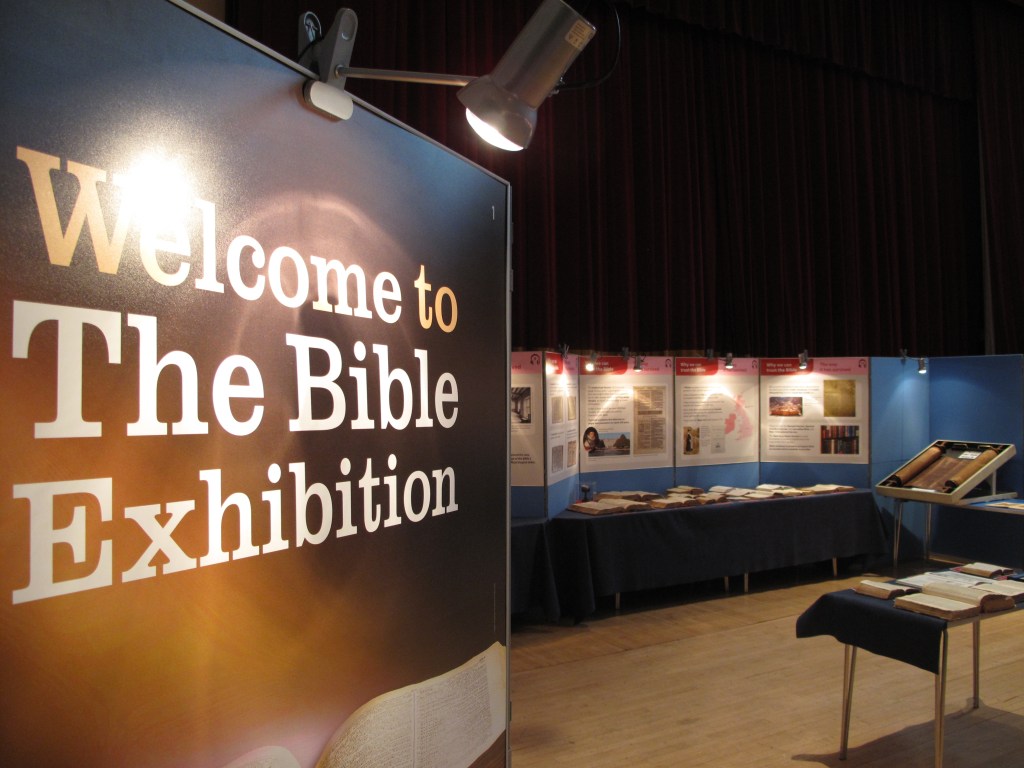
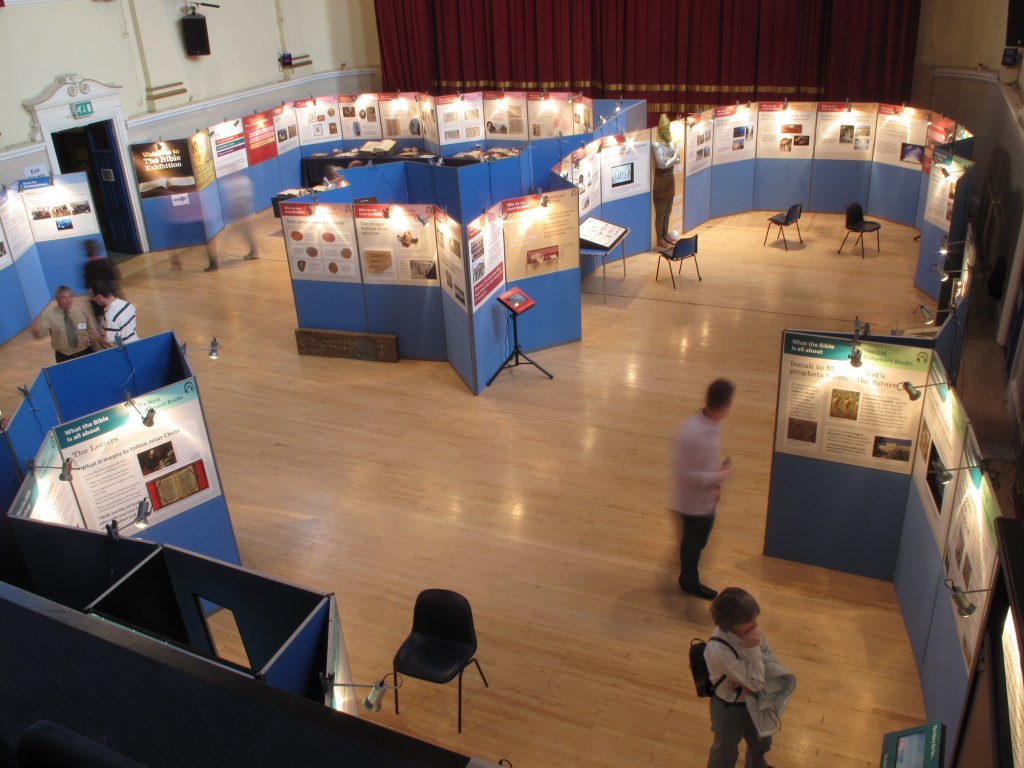
From the 4th to the 9th of August Pontardawe Arts Centre plays host to not one but two fascinating exhibitions about the Bible which will be on display in the Main Theatre.  The Bible is a unique and extraordinary book which has played a large part in creating and preserving our language and culture. 

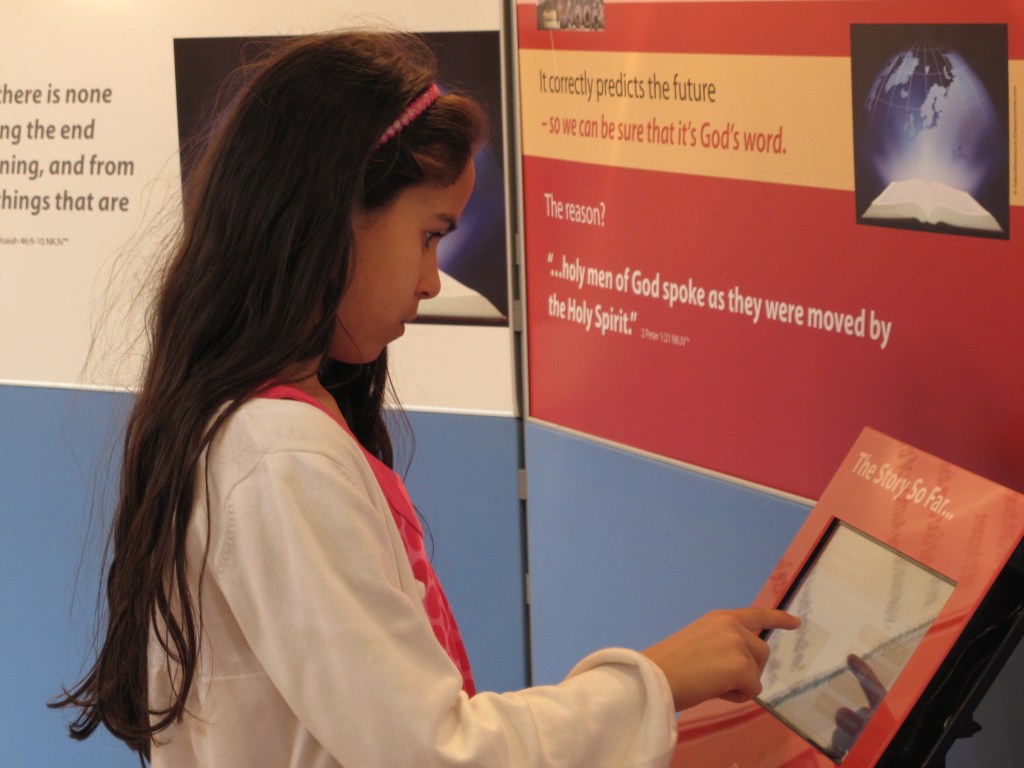
The Bible Exhibition charts how the Bible has been preserved through the centuries and translated into modern language.  Archaeological exhibits confirm the historical accuracy of it’s claims and displays bring to life some of the incredible prophecies which have come true.  The exhibition finishes by describing the vital message of the Bible and its relevance in the modern world.  With kid’s activities, a quiz, an audio guide and interactive displays there is plenty to keep all ages absorbed and entertained.

The Welsh Bible Exhibition tells the classic story of Mary Jones and her Bible and shows how critical the Welsh Bible was to the survival of the Welsh language.

Admission is free and you will not be asked for any contributions.

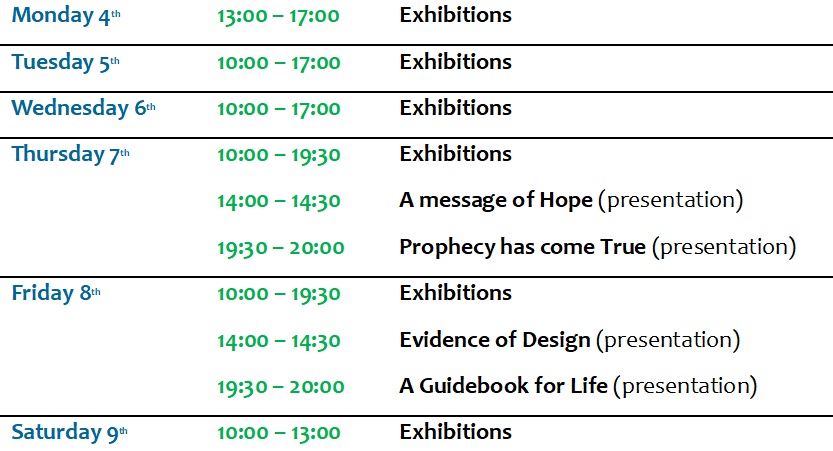
Programme for the week:

Our aim is to encourage people to read the amazing book, the Bible, which is God’s message to us.  For those motivated to read and understand the Bible for themselves, we are holding a 6-week seminar series in Pontardawe Leisure Centre, starting in September.  The Learn to Read the Bible Effectively seminars aim to give you the tools to discover the Bible message:

  • Let the consistent message of the Bible interpret itself
  • Find out what happens when we die
  • Understand biblical words (eg the title ‘Christ’)
  • Discover who wrote the Bible
  • See an overview of each book
  • Hear about remarkable Bible history and prophecies which have come true
  • Use study tools & cross references
  • Discuss the differences between Bible versions and how to choose one
  • and most importantly, gain guidance for life and a hope for the future

If you don’t have your own Bible, you can pick a free one up in the exhibition. 

You can book in advance (email: bible4wales@gmail.com) or just turn up.  We would love to see you there and share our love of reading the Bible and of course God and Jesus.

What?  Learn to Read the Bible Effectively seminars (free, no obligation)

When?  Tuesdays, 7:15 – 8:45pm from 2nd September for 6 weeks

Where?  Pontardawe Leisure Centre, Studio 3

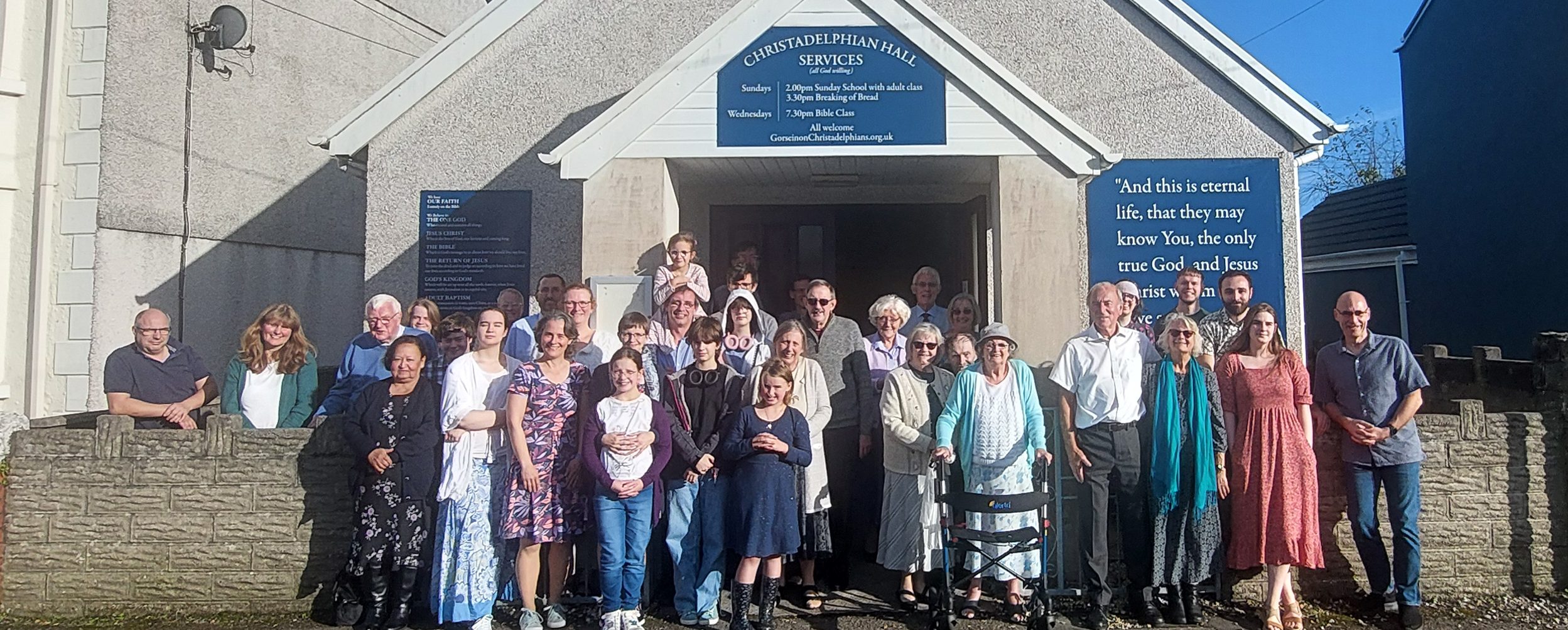
Who?  Run by local Christadelphians (we are a worldwide group and have several churches in the area – Ammanford, Bridgend, Gorseinon, Llanelli, Mountain Ash, Mumbles, Swansea)

#bible4wales

A Taste of the Kingdom

As part of The Lord’s Prayer we say, ”your Kingdom come, your will be done on earth as it is in heaven.” These were Jesus’ words when his disciples asked him to teach them to pray. Do you ever wonder about God’s Kingdom? For most people with a belief in God, ideas about life after death are a vague concept involving heaven, pearly gates and things which are better described as superstition rather than a Biblically founded belief.

Jesus spoke about God’s Kingdom. In fact, the Gospel can be summarised as “the things concerning the kingdom of God and the name of Jesus Christ” (Acts 8:12). Many of the parables that Jesus used revealed information about the Kingdom
of God which will be on the earth.

When we believe in God and we want to understand what His plan is with the earth that He created, it is better to use His Word to us (the Bible) than to rely on traditions invented by people.

Jesus told many parables about the Kingdom of God and described many aspects of what it would be like. The prospect of being in the Kingdom of God is a major part of the hope of Christians. The Bible speaks of a time where there will be an absence of death, pain, injustice and inequity with no pain and sadness.

We are having a presentation about what Jesus says about life in the Kingdom and how it has an impact on this life now. If the prospect of God’s Kingdom doesn’t appeal to us now, how is it even possible to look forward to it or for it to have an impact on the way we live our lives today? Come and find out more about what Jesus says about this.

Join us for a presentation on this subject on 4th May at 2.00pm, God Willing
at 110 Pontardulais Road Gorseinon SA4 4FQ

The Significance of the Reformation

The Reformation changed the course of history and continues to shape our lives today! Want to find out more? Dive into this transformative period with our insightful YouTube presentation, The Significance of the Reformation, where we explore its profound impact on faith, knowledge, and personal growth.

The Reformation was more than a historical event; it revolutionized how we connect with God and Jesus. Our presentation focuses on two key ideas:

  1. Personal Access to the Bible
    Before the Reformation, the Bible was accessible only to a privileged few, often in languages most couldn’t understand. The Reformation made it possible for everyone to read and learn from the Scriptures in their own language, empowering personal faith journeys.
  2. Returning to Original Languages
    The reformers emphasized studying the Bible in its original languages to uncover its true meaning. This commitment to authenticity remains just as important today.

What You’ll Gain
● A clearer appreciation of how the Reformation made the Bible accessible
● Insights into the importance of original languages in understanding Scripture
● Inspiration to engage with the Bible in a more meaningful way

Watch Now
Discover how the Reformation continues to inspire and empower individuals. Visit our channel to watch our YouTube video and explore the legacy of making Scripture accessible and understandable for all: https://www.youtube.com/live/vkaPeRu3ZLg

Let’s rediscover the power of the Word together.